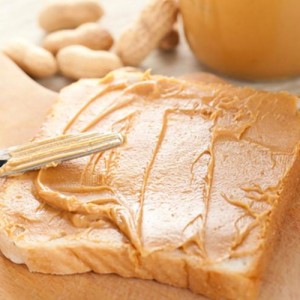
Peanut butter is tasty, but many believe it is also unhealthy due to its high fat content. However, recent studies show that peanut butter can be good for your if you choose the right kind. According to Walter C. Willett, M.D., a Professor of Nutrition at the Harvard School of Public Health, peanut butter contains some nutrients that are good for your heart health and that were previously overlooked due to the presence of saturated fat and sodium in peanut butter. It’s the whole nutritional value of foods that matters and not just the presence of one or two “bad” ingredients when choosing heart-healthy foods according to Professor Willett. To learn more about how peanut butter can be good for you, continue reading.
Peanuts and peanut butter
Peanuts are usually classified as nuts although botanically they are related to legumes. However, as far as their composition and nutritional value are concerned, peanuts are much closer to tree nuts such as walnuts and almonds than they are to legumes making their classification justifiable. As far as their composition is concerned, peanuts are high in fat content, but they are also a rich source of unsaturated fatty acids, protein, fiber, folate, vitamins, and minerals. Peanut butter contains these same nutrients as well, mostly because the FDA requirements specify that peanut butter must contain at least 90% of peanuts while additional ingredients must be less than 10%. The roasting process might take away some of these nutrients but only to a small extent.
Why peanut butter can be healthy
Health care experts frequently recommend regular intake of nuts as the nutrients in nuts were found to lower the risk of coronary heart disease (CHD). Nuts contain a high amount of calcium, magnesium, and potassium, which are important in protecting against hypertension and cardiovascular diseases. Furthermore, most nuts and peanuts included, contain less saturated than unsaturated fat. Unsaturated fatty acids such as monounsaturated fatty acids (MUFA) and polyunsaturated fatty acids (PUFA) were found to improve lipid profiles in regular nut consumers. Because tree nuts and peanuts are so good for your blood profile, they are an important part of the best diet plan for heart health.
Studies on peanut butter
A study which included a cohort of women from the Nurses’ Health study, consumption of peanut products was found to lower overall risk of CHD. Another report which focused on a subgroup of women with type 2 diabetes from the same study found that consumption of one tablespoon of peanut butter weekly also significantly lowered the risk of CHD. The research found that women who consumed more nuts and peanut butter were leaner, physically active, and were usually non-smokers. The cardioprotective effects of peanut butter seem to come from its ability to decrease lipoprotein oxidation, inhibit inflammation, reduce insulin resistance, and improve arterial functioning.
The downside to peanut butter
Although peanut butter can have a positive effect on your health in small doses, higher intake of peanut butter may not be as healthy. Because peanut butter is nutritiously dense with two tablespoons containing almost 200 calories, you need to be careful with how much you eat to avoid weight gain. Peanut butter is also high in sodium which we know is not good for those with high blood pressure. Several studies also point out to the natural occurrence of aflatoxins which are known to increase the risk of cancer. Choosing organic peanut butter may be a better option if you want to avoid contaminated peanuts.
Conclusion
Even though peanut butter is high in calories, saturated fat, and sodium, it still offers cardio-protective properties when consumed moderately as evident in many recent studies. The heart-healthy benefits of peanut butter come from the healthy balance of unsaturated fatty acids, antioxidants, minerals, and vitamins found in peanut butter. Peanut butter is also a great source of protein and dietary fiber making it one of the healthiest dense foods out there. But because of the scare regarding the presence of toxins in peanut butter, many people turn to organic peanut butter. If you’re looking to lose weight and reduce your caloric intake, follow the diet plan in Glozine lifestyle, or you can also try bmiSMART if you need an extra boost in weight loss efforts.
References:
https://www.glozine.com/lifestyle/health/overeating-healthy-eating-plan-sabotage-your-diet.html