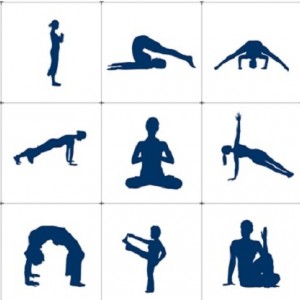
They say regular exercise is healthy for your body. Most people associate this saying to building up muscles, keeping fit physically, improving stamina, maintaining shape, improving sex life and more. Another benefit of effective exercise often disregarded is its positive effects on our mental health.
When we exercise, a lot of things happen inside our brain. Our brain experiences neural growth and decreased inflammation. Endorphins are released to fuel our spirit and help us feel good about ourselves.
This is why folks that workout consistently experience a sense of peace and comfort—they feel sharper, more spirited, and their self-esteem improves. But to maintain good mental health, you don’t have to be obsessive about exercising. You just need to make sure you are getting a moderate amount of exercise.
Regular exercise can also help you fight some mental disorders or even addiction. Here are some of the many ways a reasonable exercise routine can help improve your mental health.
- Fight depression

If you are looking to manage or avoid depression, statistics suggest that regular exercise is not only an efficient way to treat minor and even moderate depression, but also a means of evading the side effects that come with antidepressant drugs.
Here are some great exercises that can help you relieve depression.
- Reduce anxiety
Exercise can be a good way to improve your physical and mental vigour, alleviate tension, and boost happiness and comfort with the release of endorphins. It can be your very own anti-anxiety remedy. This is one of the first things you will be told if you sign up for courses from NRPT.co.uk and other directories of qualified personal trainers.
Take your mind off your worries by focusing on an aspect of your exercise—perhaps by counting your jumps while skipping, by giving yourself a goal while exercising and focusing on attaining that goal, or by paying attention to the physical sensations you experience while exercising.
- Reduce stress
When you are stressed out, it is not only your mind that feels it. Your body experiences it too. While the muscles around your face, neck and shoulders feel overly strained and aches rock your head, your brain is the part of your body processing the pain.
Exercising helps you relieve the tension in your muscles. When you now take into account the release of endorphins, you begin to see why regular workout is the perfect remedy for stress. When your body feels good, so will your mind, and vice versa.
- Correct attention deficit hyperactivity disorder
Are you finding it difficult to focus? You want to read or concentrate on your work, but your mind often flies elsewhere?
Exercising regularly can be a great way to combat that disorder. Exercising has a positive impact on the brain’s neurotransmitters that influence mood, attention, and focus—it elevates the levels of your serotonin, dopamine, and norepinephrine and thus helps improve memory, mood, concentration, and motivation.
- Improves self-esteem
Self-esteem comes with your confidence in what you are worth and what you can do. Our physical attributes and looks contribute to our level of self-esteem. This is why a guy or girl that exercises regularly and looks physically good and fit can walk past you feeling like he or she is on top of the world, even though they have nothing else to show for in life.
Regular workouts can do that—make you feel powerful, good-looking, and more. And that has a positive impact on the mind.
- Improves retention and reasoning

The endorphins released during an exercise don’t only make you feel good, but also helps your mental alertness. They encourage more synaptic connections in our brain, improving our ability to think and remember stuff. Exercise is refreshing and helps you clear your mind to better handle the tasks at hand.
Exercise also helps trigger the development of new brain cells. It can even help you reduce your vulnerability to age-related mental degradation.
- Improves resilience
Often, when we are confronted by emotional or even mental problems, we turn to one negative activity or another in other to heal. Some people turn to drugs, while others turn to alcohol. Some drown themselves in work, and others engage in crimes. These never help. They only complicate your problems.
An easier way to heal from a mental or emotional problem is to exercise regularly. Since regular workout can help you combat depression, stress, anxiety, and also make you feel good about yourself, then that’s what you should be engaging in. When you manage the aforementioned mental and emotional problems and get back to a state where you are happy and comfortable, then you have shown resilience.